
Choose the work.
Then the truck.
A single cab, a Jumbo, a dump or a van? Start with what has to happen on an ordinary Tuesday.
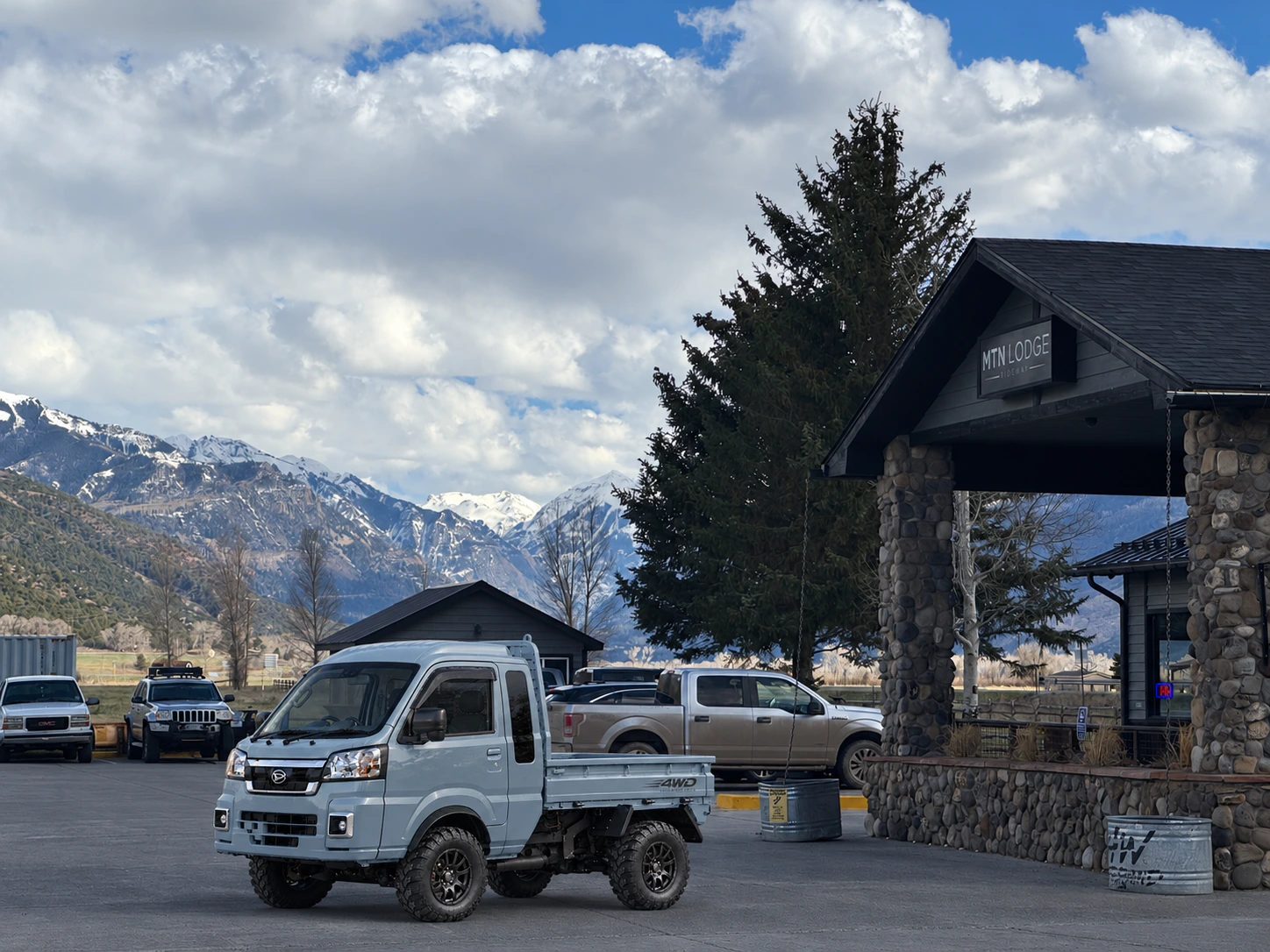
A mini truck is easy to like in a photograph. The useful question is whether it fits your working day. Before choosing the finish, describe the load, the person driving and the places where the truck would need to operate. That makes a better shortlist than falling in love with the first set of wheels.
The best feature is the one your Tuesday actually needs.
Start with the awkward thing.
Measure the object you carry most often, including its awkward bits. A mower with a handle is not a rectangle. Record how it gets into the truck and whether it needs protection from weather. Then compare those measurements with the exact bed or door opening, not the vehicle silhouette.
An open bed is worth exploring for work that needs access from outside. An enclosed van is worth exploring when keeping equipment covered is the main job. Those are starting questions, not a promise that either vehicle is suitable for your load. Payload, restraint and accessory fitment need their own checks.
The driver is part of the load plan.
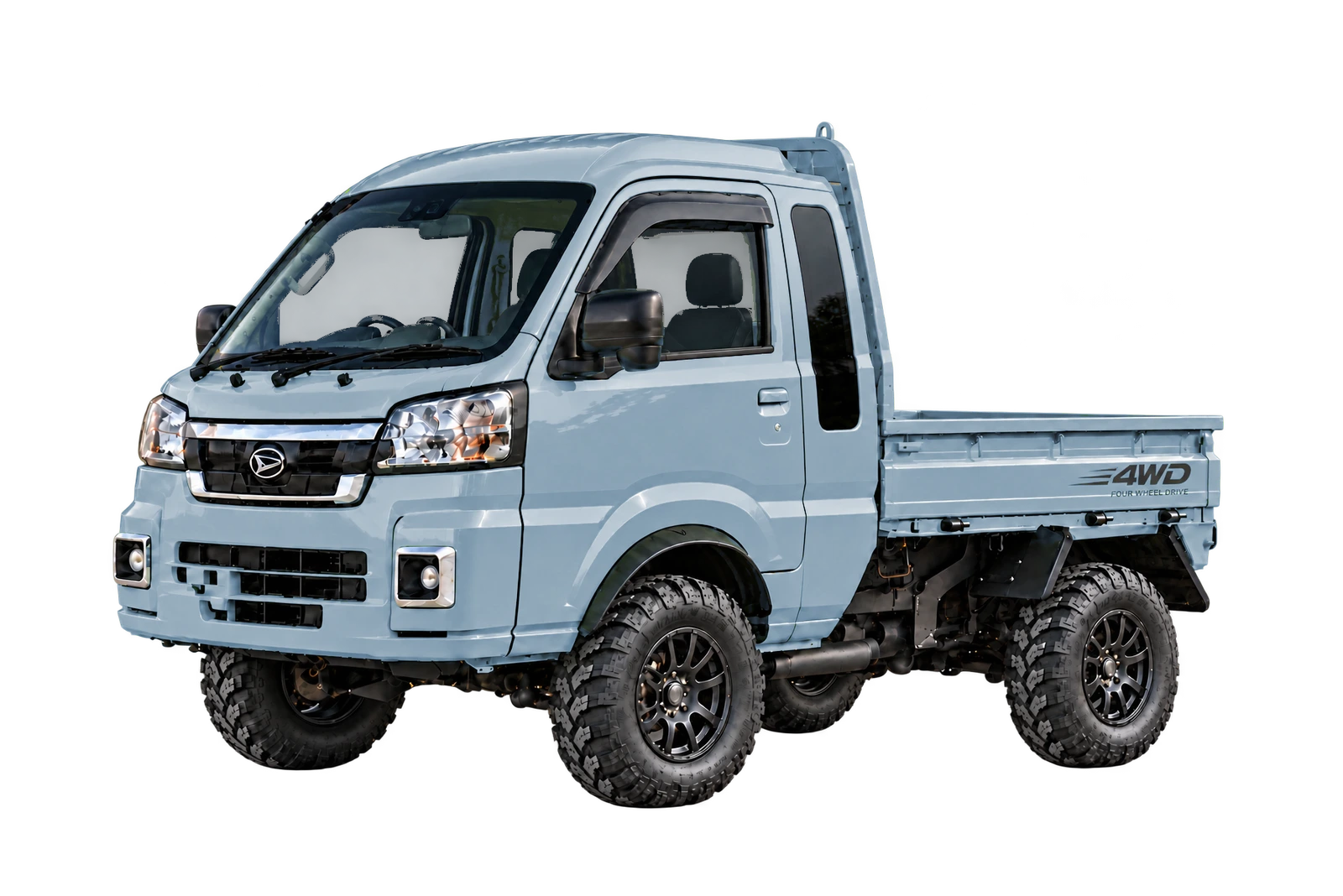
Daihatsu separates the Hijet Jumbo from its standard-cab grades. Suzuki likewise distinguishes Carry from Super Carry. Those names are useful clues to investigate cabin layout, not interchangeable labels for every manufacturer.
Sit in the exact truck if you can. Check the driving position in work boots. Think about where a jacket and the items used every day would live. More room behind a seat can matter more than an accessory seen once on a website. Compare bed measurements at the same time. Cabin space is not free space.
Check the source
Daihatsu / Daihatsu Hijet Truck ↘The current Japanese lineup distinguishes standard and Jumbo grades with configuration-specific options.
Daihatsu / Hijet Jumbo cabin and load space ↘Manufacturer presentation of the extended-cab Jumbo and its cabin arrangement.
Suzuki / Carry and Super Carry ↘The manufacturer presents Carry and Super Carry separately. Its domestic reference prices have stated exclusions.
A tipping bed is a system, not a shortcut.
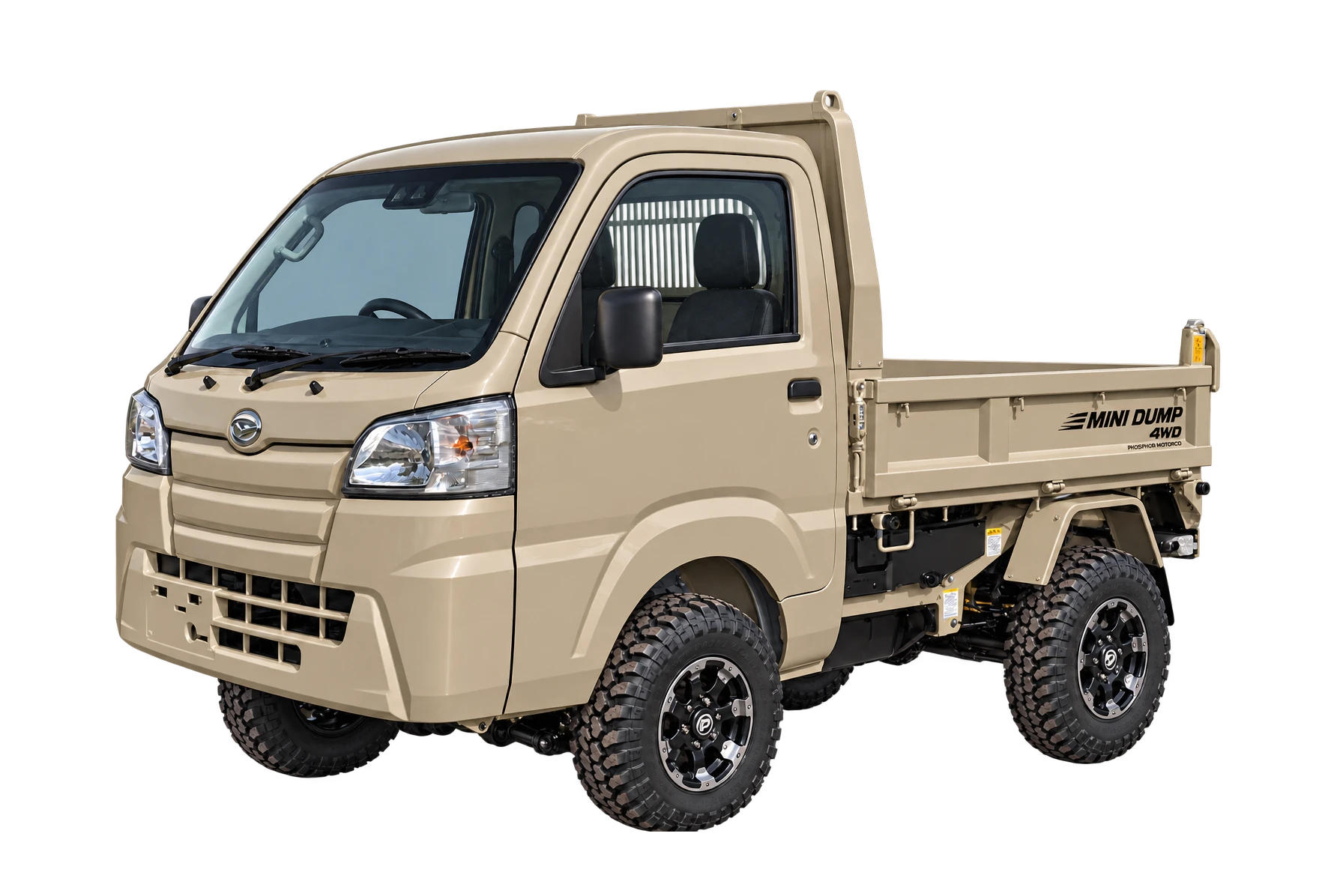
If unloading bulk material is the job, look closely at a dump configuration. Ask for the rated limits, operating instructions and inspection scope. Check the bed hardware and hydraulic condition with someone qualified to inspect them. A photograph of a raised bed answers remarkably little.
Do not infer lifting capacity from engine size or from what another owner carried. Accessories also change weight and geometry. Have the complete configuration reviewed before treating it as ready for a particular task.
Give the shortlist an address.
Your intended location and use belong in the first conversation, not the final invoice. Import requirements and permission to use a vehicle are separate questions. A useful-looking farm truck does not settle either one. EPA and NHTSA maintain different federal resources; local requirements still need their own review.
The practical next step is small: choose two plausible bodies, write down the work and bring the measurements. Then ask which exact vehicles deserve a closer look. The finish can wait five minutes.
Check the source
U.S. EPA / Importing vehicles and engines ↘EPA separates vehicle and engine import resources and notes that other agencies also have requirements.
NHTSA / Importing a vehicle ↘NHTSA provides distinct import declarations and eligibility resources for vehicle safety requirements.
Your five-minute truck brief
Tick what you have covered. Checks stay on this page only and are not submitted or saved.
0 of 5 covered
Read it at the source.
Checked October 27, 2026. English summaries of Japanese sources are editorial paraphrases. No third-party photography is reproduced.
Daihatsu Hijet Truck ↗
The current Japanese lineup distinguishes standard and Jumbo grades with configuration-specific options.
What this does not establish
Current domestic model information is not a specification for an older truck or a U.S. offer.
Hijet Jumbo cabin and load space ↗
Manufacturer presentation of the extended-cab Jumbo and its cabin arrangement.
What this does not establish
Comfort and usable space still need checking in the exact vehicle. A photograph does not prove fit.
Carry and Super Carry ↗
The manufacturer presents Carry and Super Carry separately. Its domestic reference prices have stated exclusions.
What this does not establish
These Japanese-market references are not landed U.S. prices or specifications for Phosphor concepts.
Importing vehicles and engines ↗
EPA separates vehicle and engine import resources and notes that other agencies also have requirements.
What this does not establish
The overview does not decide a particular vehicle route or state registration.
Importing a vehicle ↗
NHTSA provides distinct import declarations and eligibility resources for vehicle safety requirements.
What this does not establish
This is not a finding that a given vehicle may be imported, titled or driven on public roads.
These notes organize a conversation. They do not verify a vehicle, establish a contract or decide import, title or road-use eligibility. Current requirements and exact-unit evidence need separate review.
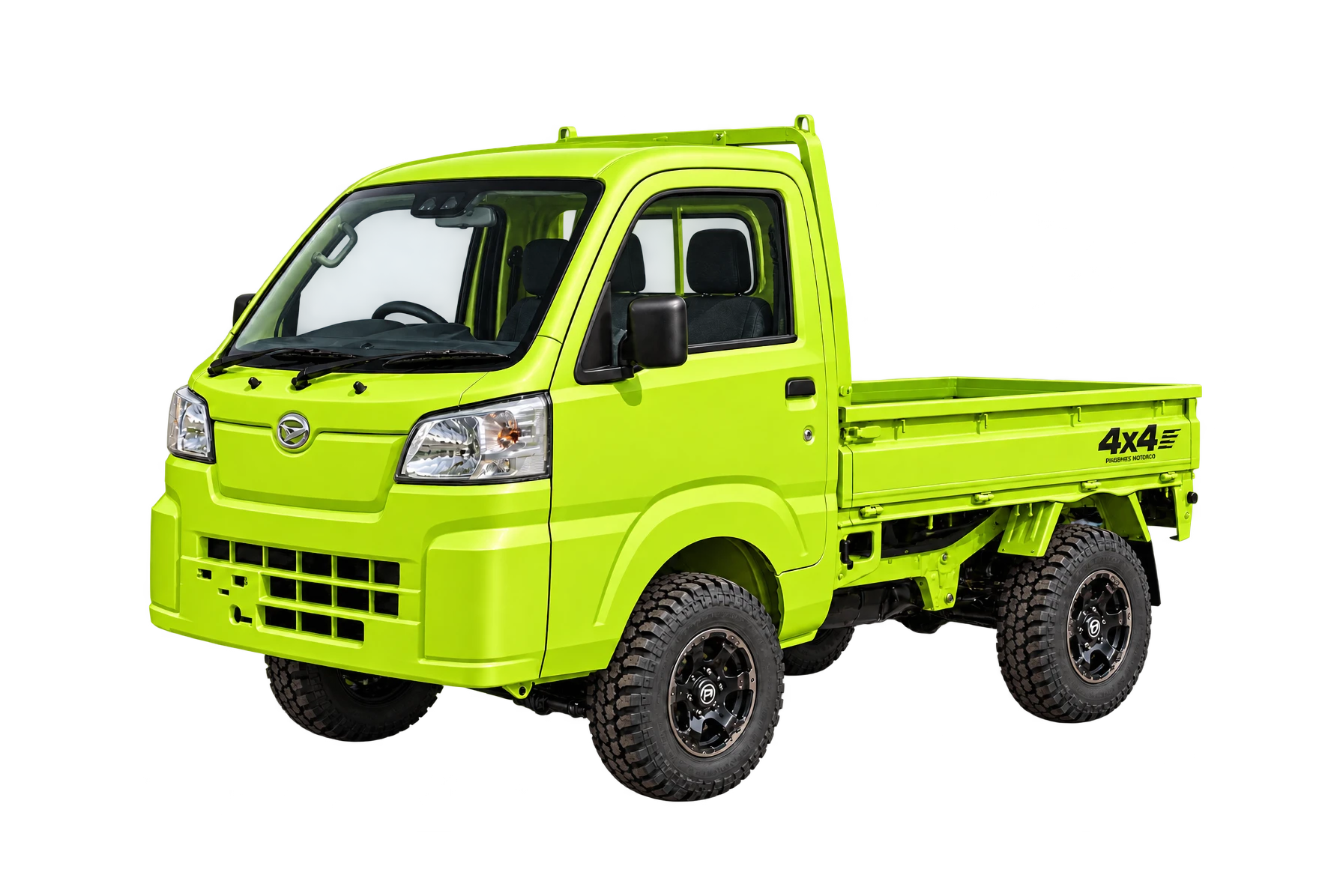
From the note to the truck.
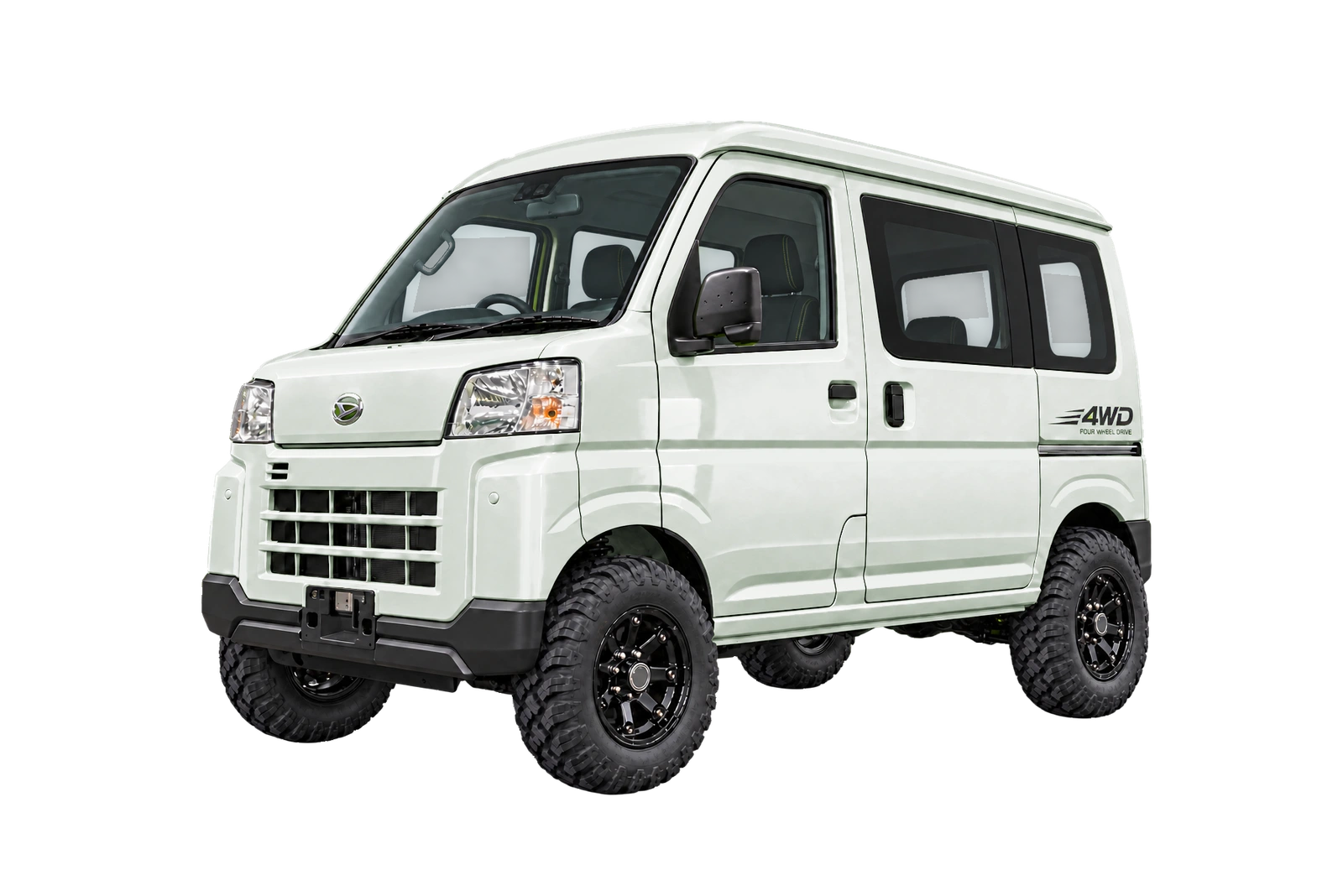
A little more reading.
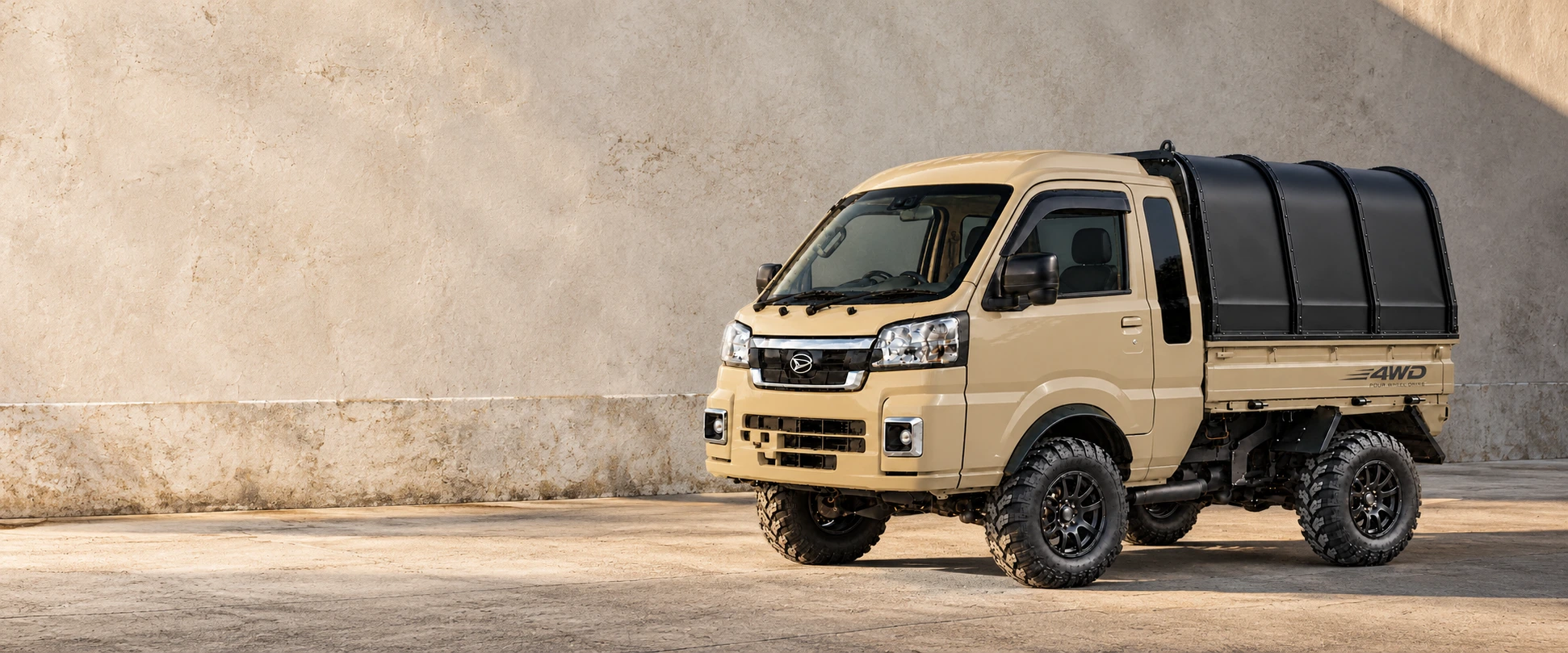
The cheapest number
is not the whole quote.
Two prices only become comparable when they describe the same truck, the same handover and the same responsibilities.
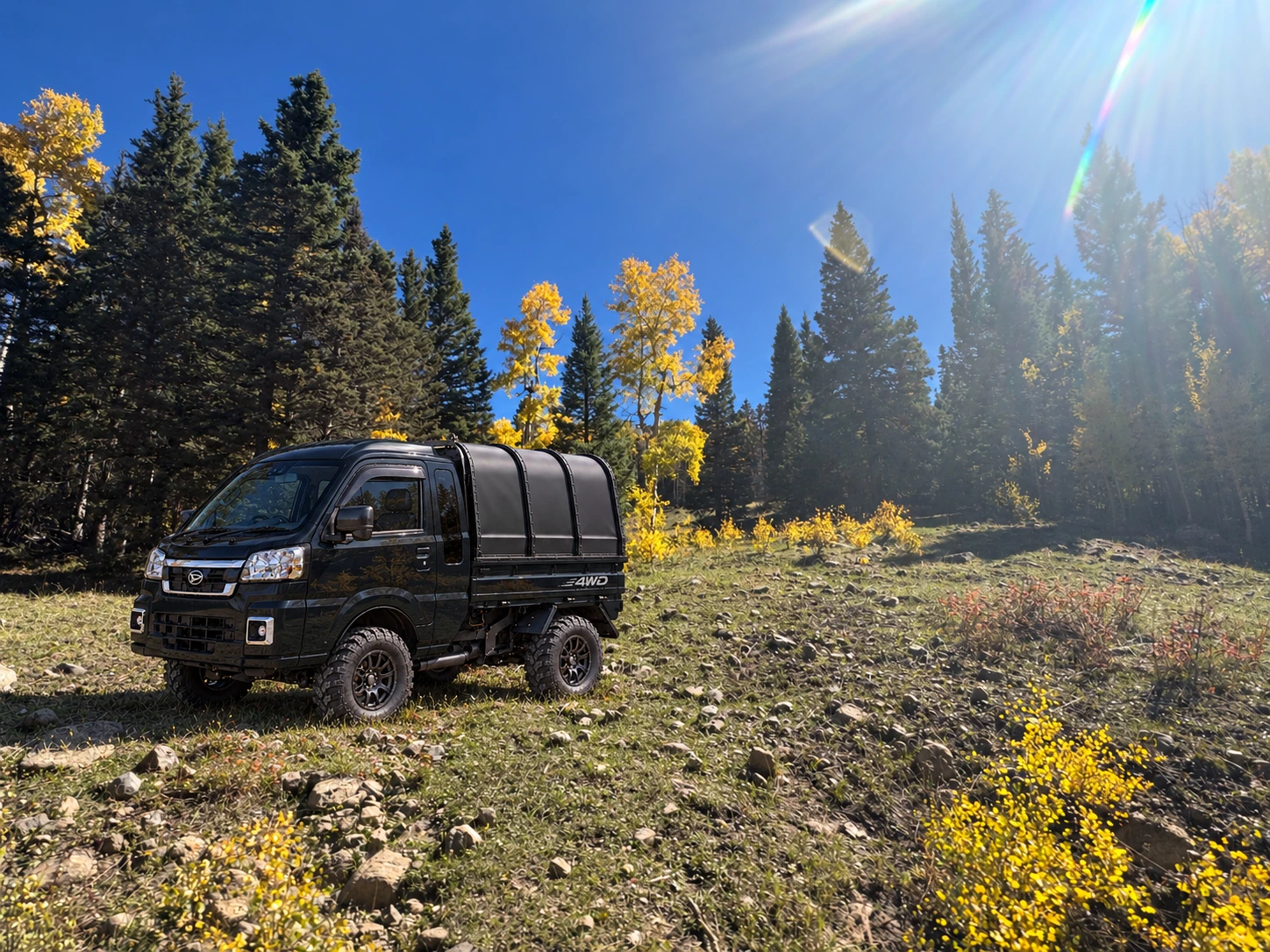
An engine code
is not a passport.
A badge, an engine family and a certification record answer different questions. Here is how to keep them from borrowing each other’s authority.